

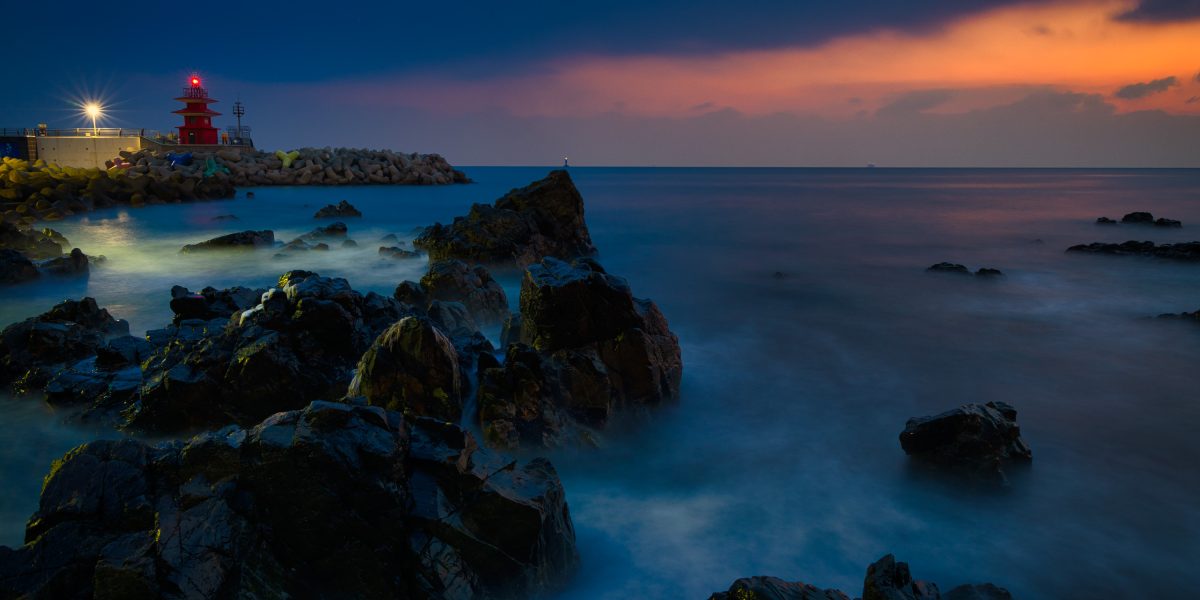
The temperatures in Korea have been dropping well below zero. Not Winnipeg cold — not “colder than a well-digger’s arse” cold — but cold enough to keep most people inside. Cold enough that only the stubborn, the restless, and the slightly unhinged venture out. Especially the idiots dumb enough to take photos.
It’s been a few weeks since I got back from Canada. For the most part, I’ve been holding it together. The anxiety has eased its grip. I’m sleeping through the night more often than not. But the real problem wasn’t sleep or nerves — it was the camera.

Picking it up felt like lifting a fifty-pound block of metal, plastic, and glass. Dead weight. No spark. No pull. No reason. It just sat there on my desk, silently accusing me. A reminder of a life I used to live. Or maybe a life I still wanted, but didn’t know how to reach anymore.
This morning, something shifted.
I woke up in the dark, just after 5 a.m. No alarm. No coffee. No reason I could explain. My wife was asleep beside me, peaceful. The cat was perched near my head, waiting for breakfast like it was a life-or-death situation. My eyes just opened — and that was the signal.
No negotiation. No lying there bargaining with myself. I got up, grabbed my gear, slapped fresh batteries in the camera, checked for a memory card, and stumbled out the door with coffee in hand.
At this age, getting up early — especially on a cold winter morning — is harder than starting a diesel engine on a frozen Manitoba morning. Things don’t fire up like they used to. They groan, pop, and ache. But today, I pushed through.
Bad Religion blasted as I drove, not chasing epic shots or award-winning frames. I wasn’t hunting magic light or portfolio pieces. I just wanted to capture something. Anything. Press the button. Move my body. Remind myself I was still alive.
That was the special sauce.

I went out to the coast. Photographed ice clinging to tetrapods. Shot the ocean. Shot whatever caught my eye. No pressure. No timeline. When I was done, I was done. I’d put in the time.
Back in the car, I sat still, listening to the All Ages compilation — a soundtrack from a time when everything felt simpler. Or at least survivable.
That’s where grief hits you: not just sadness, but the anxiety that everything is temporary. That the people closest to you will die. That you’ll be left cleaning up the remains of a life — either well-lived or tragically thrown away. Memories of the people you love will fade. You move on. You age. Then someday, it’s your turn.
Those thoughts have a way of draining color from the world. They hijack beautiful mornings. You’re standing there with coffee in hand, the sun creeping up, and instead of wonder, you feel the cold biting through your gloves — realizing you’re the only idiot out there freezing his ass off with a camera.
But here’s the balance — the part grief doesn’t advertise.
Life moves on.
“This too shall pass” sounds like a cliché until you’re knee-deep in it. If we don’t collect these small moments — photograph them, walk through them, sit with them — all we’re left with are the heavy ones. Standing in front of the ashes of the people who once made your family whole. Wondering who’s next.

Instead of standing oceanside, listening to waves crash against rock and pebble. The water retreating like a sea of castanets. Ice glistening on concrete as the sun claws its way above the horizon.
These moments recalibrate your brain. They remind you that life isn’t just about death. It’s about what you do before it shows up.
There’s a stoic quote that always circles around my brain when I am in a mood like this:
“It is not that we have a short time to live, but that we waste a lot of it.” ~ Seneca
As photographers, that hits hard.
Our job — our responsibility — isn’t to waste our lives. It’s to document them. To make art. To create photographs that are over-saturated, messy, emotional, personal. Images that say: this is my world — this is how I see it.

Monet didn’t paint the world as it objectively was. He painted it as he felt it. That’s the permission slip right there.
You don’t have to be a photojournalist unless that’s your calling. Get out there and make art. Push the colors. Blur the frames. Break the rules. Do whatever gets you out of bed and lights the fuse.
As I headed home to make more coffee, this was the thought I carried with me:
Just get out. Grab your camera. Go.
You don’t need award-winning shots. You don’t need a title. If someone calls you a “hobbyist,” smile — because you’re still out there doing the thing. And if you are a professional, this is how you sharpen the blade anyway.

As for the internet critics — the ones lurking in comment sections, picking their noses in a dank one-room and ripping people down — they can go fuck themselves.
They’re at home.
You’re out living.
And no one can take that away from you.