


When I stood on stage at the 2026 Ulsan Global Festival to receive an award recognizing my work with multicultural families over the past two decades, I felt a strange mixture of gratitude, pride, and disbelief. Recognition has never really been part of the equation for me. Most of the projects I’ve taken on over the years—from building communities and teaching photography to helping newcomers navigate life in Korea—were never motivated by the possibility of awards or public acknowledgement. They were simply things that felt worth doing. Yet as I looked out across the crowd gathered in Dal-dong Cultural Park, I couldn’t help but reflect on the journey that had brought me there and on the city that has shaped so much of my life.
What struck me most during the ceremony was that the award wasn’t really about me. It represented countless conversations, friendships, photo walks, classes, community events, and small acts of kindness that have accumulated over more than twenty years in Ulsan. No one builds a life in a city alone. Whatever contribution I’ve made to the international community here has only been possible because of the support of so many people who have welcomed me, worked alongside me, and believed in the value of helping others feel at home.
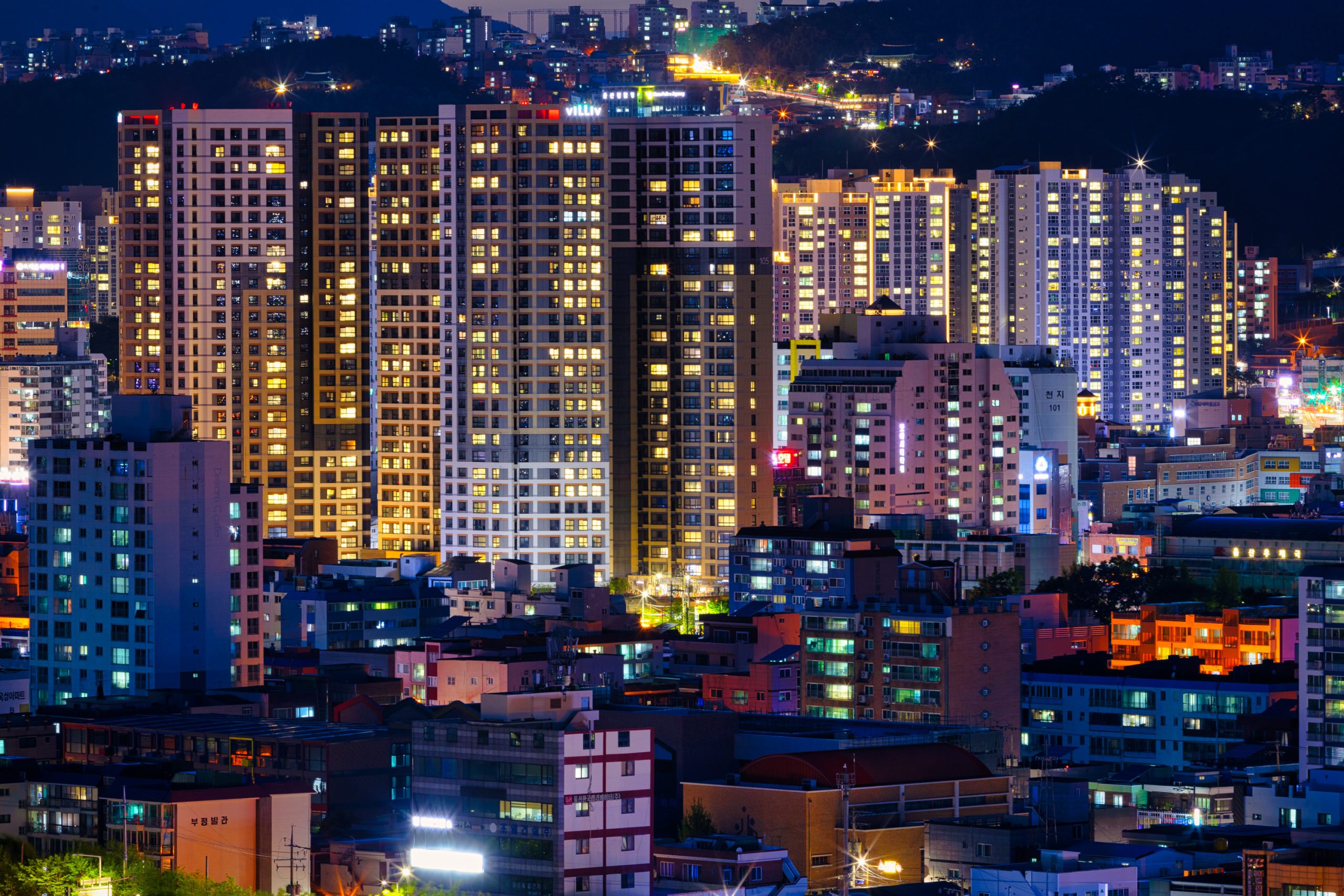
As I stood there, however, my mind kept returning to photography. Long before I was teaching classes, organizing communities, or writing articles about life in Korea, I was simply a kid carrying a camera around a city that most people overlooked. It is difficult for newcomers to understand today just how different Ulsan once felt. The city has transformed dramatically over the years. The riverfront parks, restored green spaces, coastal walkways, and cultural attractions that residents now enjoy either did not exist or were still in their infancy when I first arrived. Back then, Ulsan’s reputation was almost entirely defined by industry. It was a city of shipyards, automobile factories, smokestacks, and refineries. For many people, it was a place you worked in or endured rather than a place you explored.
Yet photography has a way of changing how you see the world. A camera forces you to slow down and pay attention. It teaches you to notice the quality of light falling across apartment buildings at dawn, the way the Taehwa River looks after a summer rain, or how the ocean changes colour as the sun rises above the horizon at Daewangam. The more time I spent photographing Ulsan, the more I realized that the city possessed a quiet beauty that many people simply never stopped long enough to see.
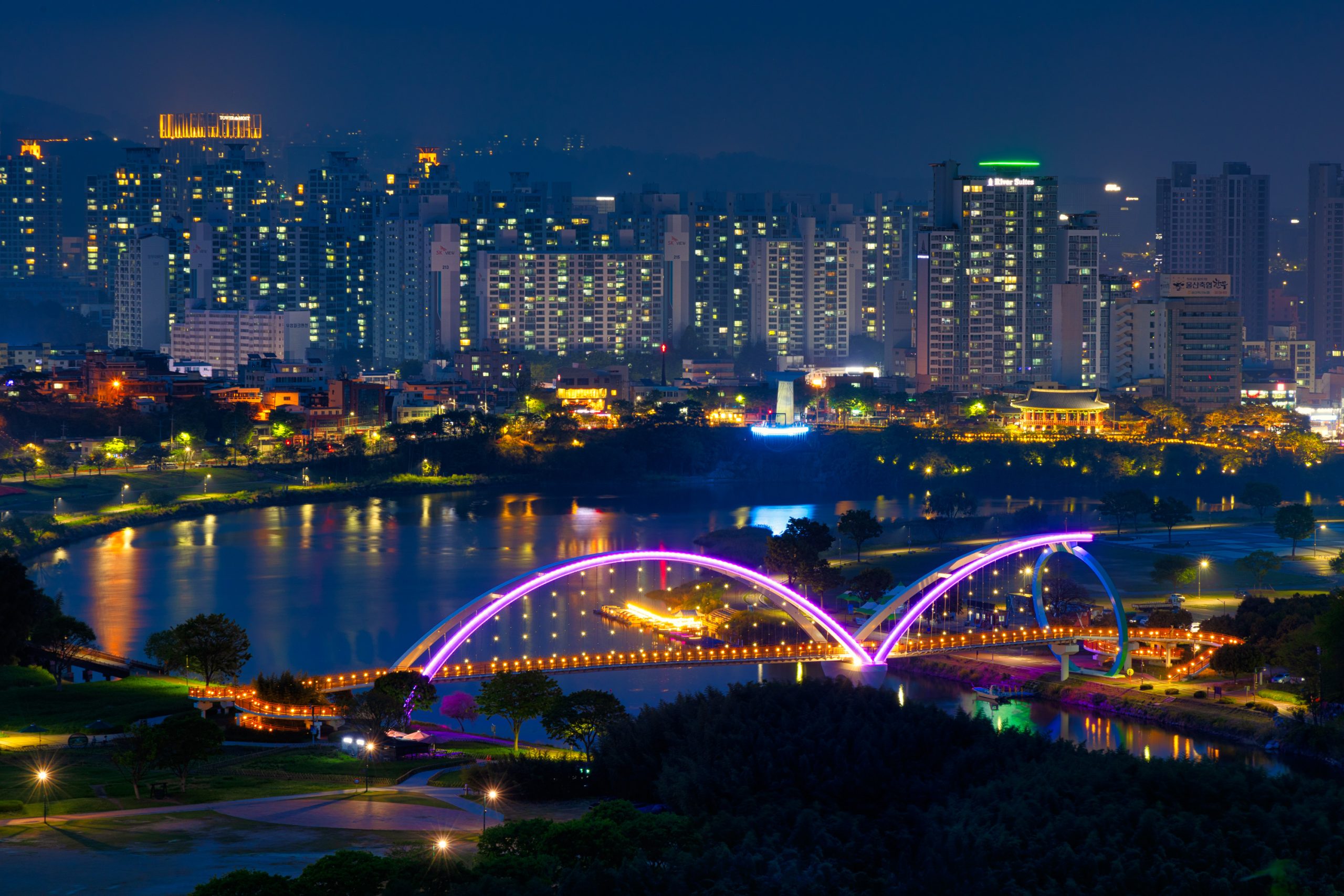
While others focused on how ugly they thought the industrial skyline was, I found myself drawn to it. Then to seascapes along the Jujeon coast, patterns made by endless apartment complexes, and the remarkable contrast between nature and industry that exists throughout the region. There were mornings spent waiting for the first light to touch Seuldo Park and evenings watching the sunlight dim and the street lights magically come on. There were countless drives before sunrise, cups of McDonald’s coffee consumed in parking lots, and long walks through places that rarely appeared in tourist brochures. Through the lens of a camera, Ulsan slowly revealed itself to me not as an industrial city, but as a place filled with stories.
Photography eventually led me into teaching, and teaching introduced an entirely new dimension to my relationship with the city. Many of my students were foreign residents who had arrived in Korea for work, marriage, or study. Some had only been in Ulsan for a few weeks. Others had lived here for years but had never seen the beauty of this city. Teaching photography gave me an opportunity to do more than explain shutter speeds and composition. It gave me a chance to share the city I had come to love.

Over the years, I guided countless students through markets, temples, parks, local restaurants, bamboo forests, and by the city tour bus something that they might never have done on their own. One of the greatest rewards of teaching was watching people’s perceptions change. Students who initially viewed Ulsan as little more than a place of work would begin noticing details they had previously overlooked. They started seeing colour, texture, culture, and character where they had once seen only concrete and factories. The camera became a tool for connection—not only with photography itself but with the city and community around them.

Helping people discover Ulsan through their own lenses became something I took very seriously. I understood how transformative that experience could be because it had happened to me first. Photography had taught me to look beyond assumptions and surface impressions. It had shown me that beauty is often found in places that others dismiss. I wanted my students to experience that same revelation.
Not everyone understood this obsession. Over the years, I’ve heard the jokes and criticisms. People have laughed at my decision to spend so much time photographing Ulsan. I’ve been asked why I didn’t focus on Seoul, Busan, or some more obviously photogenic destination. Others hid behind fake names on Reddit, mocking my photography and the city. At times, it would have been easier to follow trends and photograph places that already enjoyed international recognition.
The truth is that I never saw Ulsan the way many other people did.
I saw a city constantly reinventing itself. I saw mountains rising behind neighbourhoods, dramatic coastlines stretching into the East Sea, and communities made up of people from every corner of the globe. I saw the stories of international, factory workers, teachers, volunteers, immigrants, and families building lives here. Most importantly, I saw a place that deserved to be documented honestly and thoughtfully.
The 2026 Ulsan Global Festival felt like a reflection of that journey. Walking through the park, surrounded by families from dozens of countries, cultural performances, international food booths, and volunteers working tirelessly behind the scenes, I was reminded of how much the city has evolved. Ulsan is no longer simply an industrial powerhouse. It is a global city filled with people bringing their languages, traditions, experiences, and dreams together in one place.
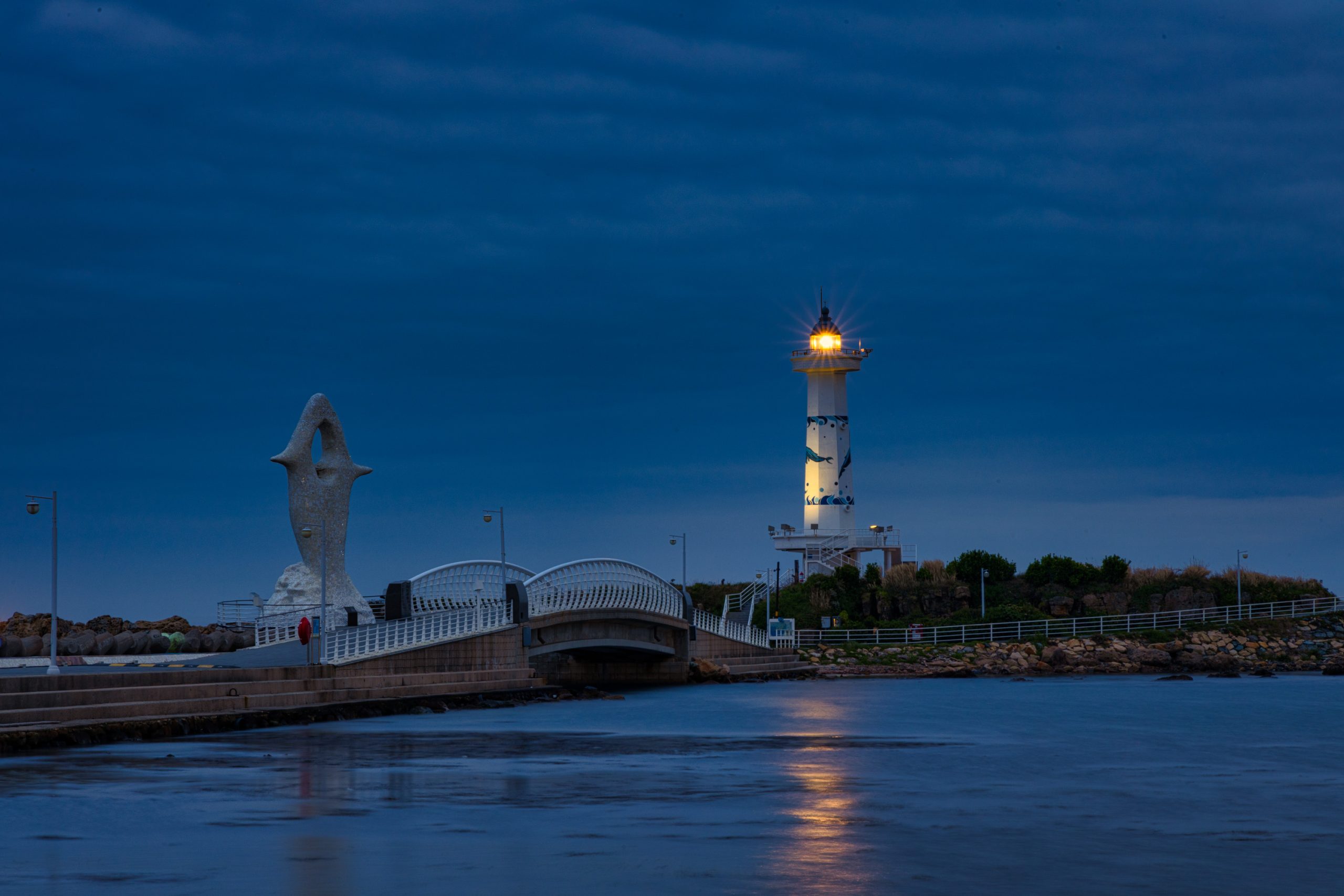
Receiving an award that day was deeply meaningful, but it also felt symbolic of something larger. For more than twenty years, I’ve tried to tell stories about this city through photographs, articles, classes, and community work. Along the way, photography taught me that places are rarely defined by the labels attached to them. Cities, like people, are far more complicated than their reputations suggest.
Ulsan taught me that lesson. It taught me to look closer, stay curious, and search for beauty where others might not think to look. After all these years, I still find myself doing exactly that.